
מְלַבֵּב גאה להציג מבחר פרסומים מקצועיים, ספרים ומאמרים בתחום הטיפול באנשים עם דמנציה, אלצהיימר ובני משפחותיהם.
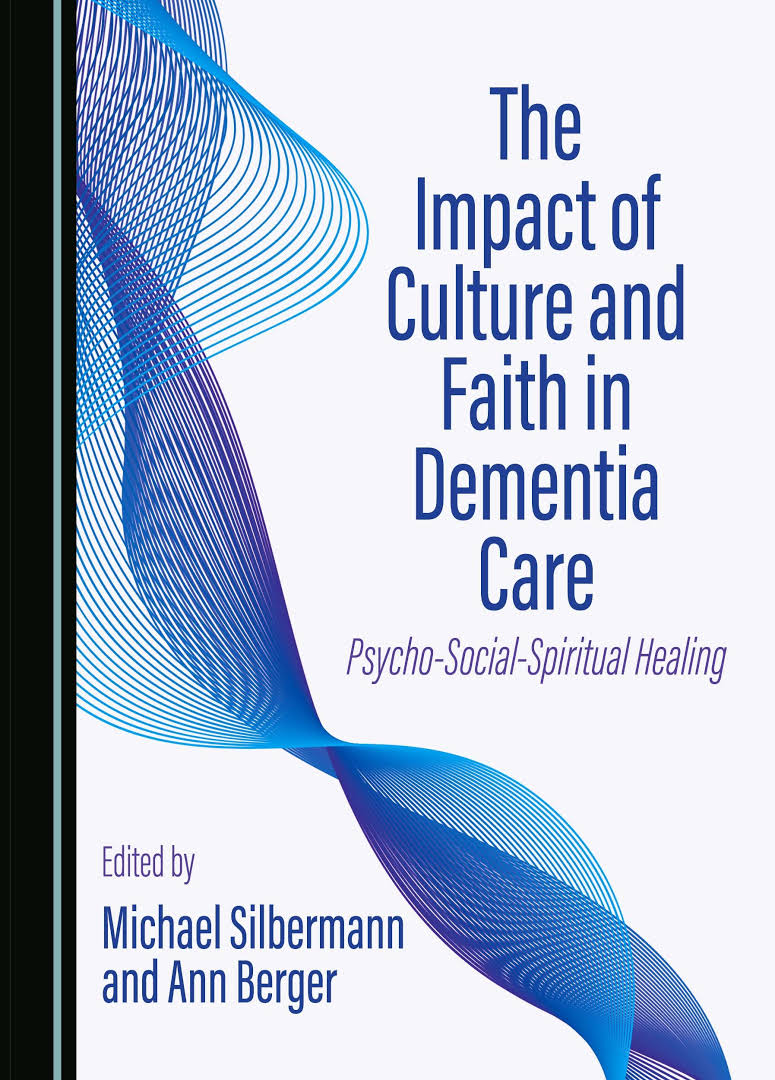
פרק מתוך הספר: "הגישה היהודית בהענקת משמעות, שייכות ותחושת ערך, לאנשים עם דמנציה ובני משפחותיהם - המקרה של מְלַבֵּב בישראל" מאת ד"ר זאב פרידמן (Ph.D), מנכ"ל מְלַבֵּב וד"ר ליאורה כהן (Ph.D), מנהלת תוכן והדרכה במְלַבֵּב. הספר פורסם על ידי Cambridge Scholars Publishing.
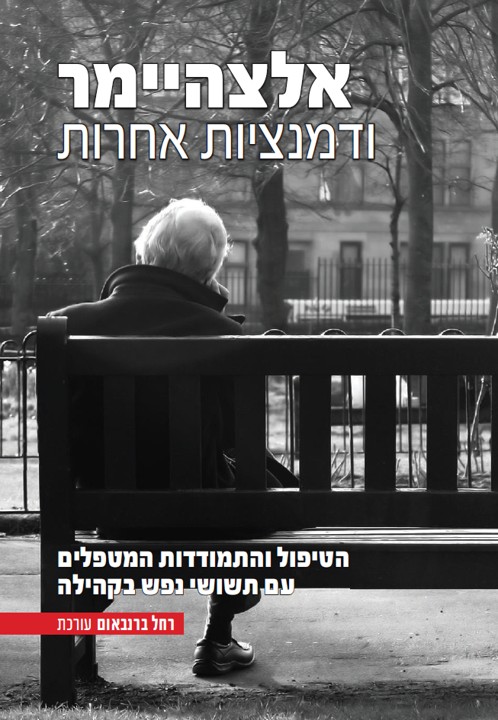
ספר מקיף זה עוסק בטיפול ובהתמודדות המטפלים עם תשושי נפש בקהילה. הוא מספק ידע וכלים מעשיים להתמודדות עם מחלת האלצהיימר ודמנציות אחרות. הספר פורסם בשיתוף אשל, האגודה לתכנון ולפיתוח שירותים למען הזקן בישראל, מיסודם של הג'וינט וממשלת ישראל, וכן בשיתוף מרכזי מְלַבֵּב לטיפול בקשישים בקהילה.

בספר זה מובאים סיפורים קצרים המתארים תיאור חי ורגיש מצבים שכיחים בעת הדאגה לזקן שעמם מתמודדים בני משפחה, רופאים, אנשי צוות הסיעוד ועובדים סוציאליים. לאה אברמוביץ, בעלת ניסיון של כחמישים שנה כעובדת סוציאלית, מתארת נושאים כמו חוסר שיתוף פעולה של מטופלים, חיכוכים משפחתיים, אחריות הקהילה לזקנים עריריים, היחס לדמנציה והבדלי תרבות ביחס לזקנה.
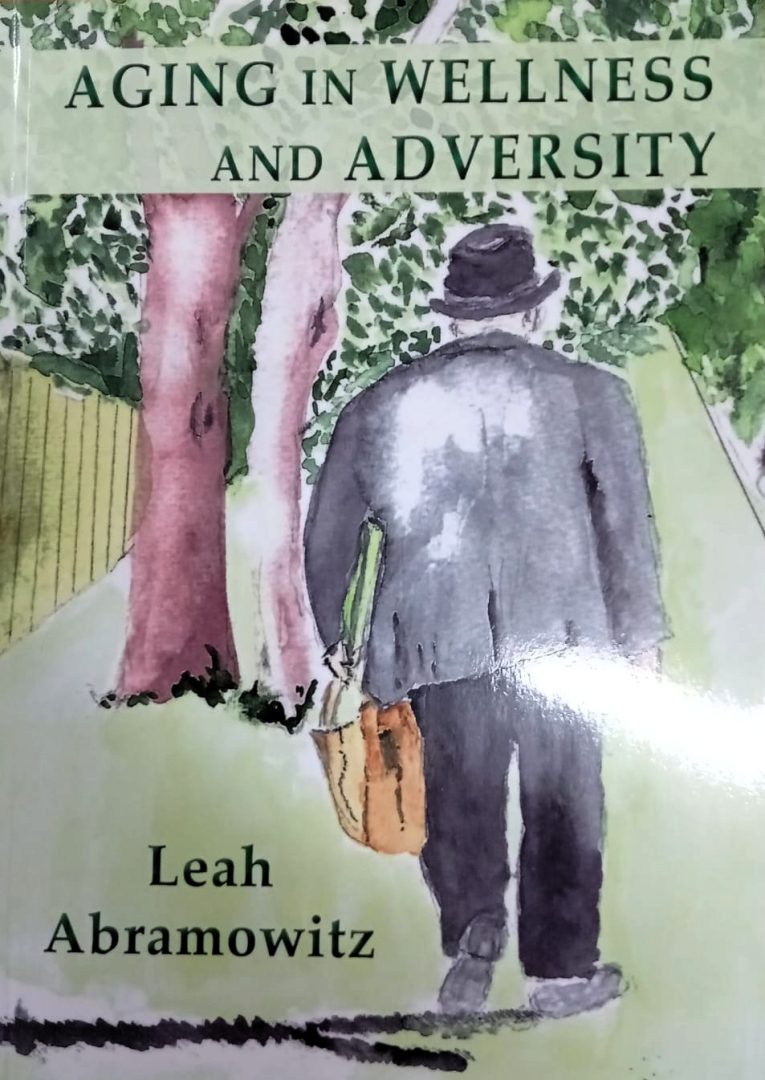
This book presents short stories that vividly and sensitively describe common situations encountered by family members, doctors, nursing staff, and social workers when caring for the elderly. Based on fifty years of experience as a social worker specializing in gerontology, Leah Abramowitz describes topics such as patient non-cooperation, family conflicts arising from prolonged hosting and care of an elderly family member, community responsibility for lonely seniors, attitudes towards dementia, the dedication of relatives to the well-being of the elderly, and cultural differences in attitudes towards old age.
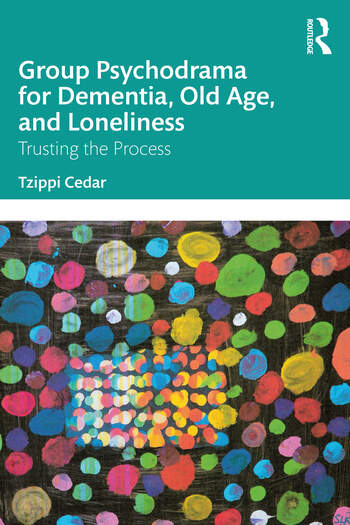
In psychodrama, we bypass cognition through action, doing, presentation, spontaneity, and creativity to stimulate interaction and connection. This approach validates authentic expression and the retrieval of language and past memories, even short-term memories. Something in psychodrama triggers dormant brain waves in participants. This "doing" awakens new energy in them and expands their possibilities by revealing new ways and new paths that free them from the obligation of self-restraint.